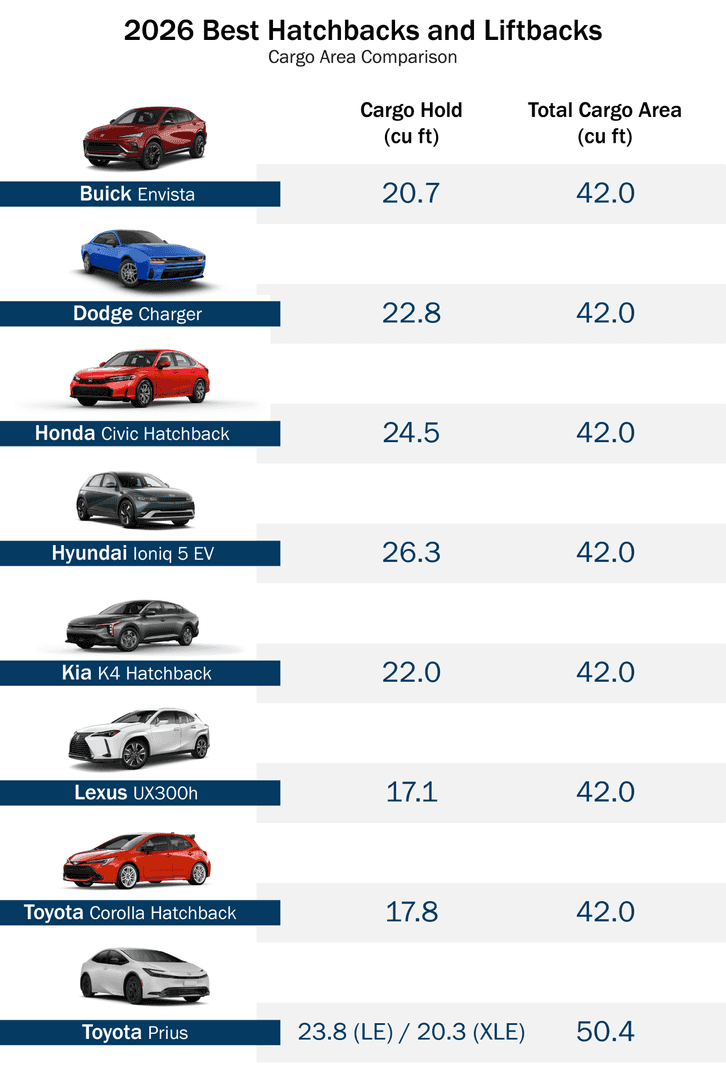
We’re breaking down this list into three groups. First, the traditional hatchbacks include the Honda Civic, Toyota Prius, Toyota Corolla and new Kia K4 Hatchback. Then we’ll look at the liftbacks, including electric choices. Finally we’ll look at the “hot hatches” which offer the most fun while still managing to be practical.
Compact Hatchback Comparison
The classic five-door layout has been a favorite for many years. What makes it great? Hatchback cars prioritize fuel efficiency, maneuverability, and daily utility. Here are some of the best, according to US News and World Report and other major sources.
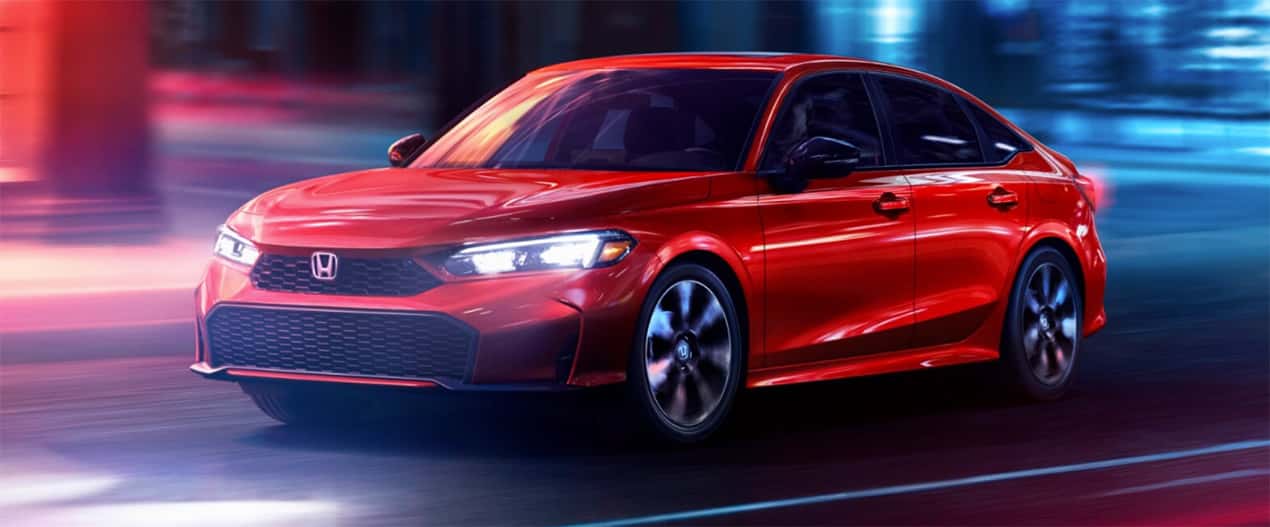
Starting Price: $27,895 MSRP; $30,595 MSRP (Hybrid)
Key Takeaway: The Civic remains the “gold standard” of the segment. For 2026, the highlight is the new Hybrid powertrain that comes standard on higher trims, offering 200 horsepower and an estimated 50 MPG.
Top Features: 24.5 cubic feet of cargo space, standard Honda Sensing® safety suite, and a sleek 9-inch touchscreen with wireless smartphone integration.
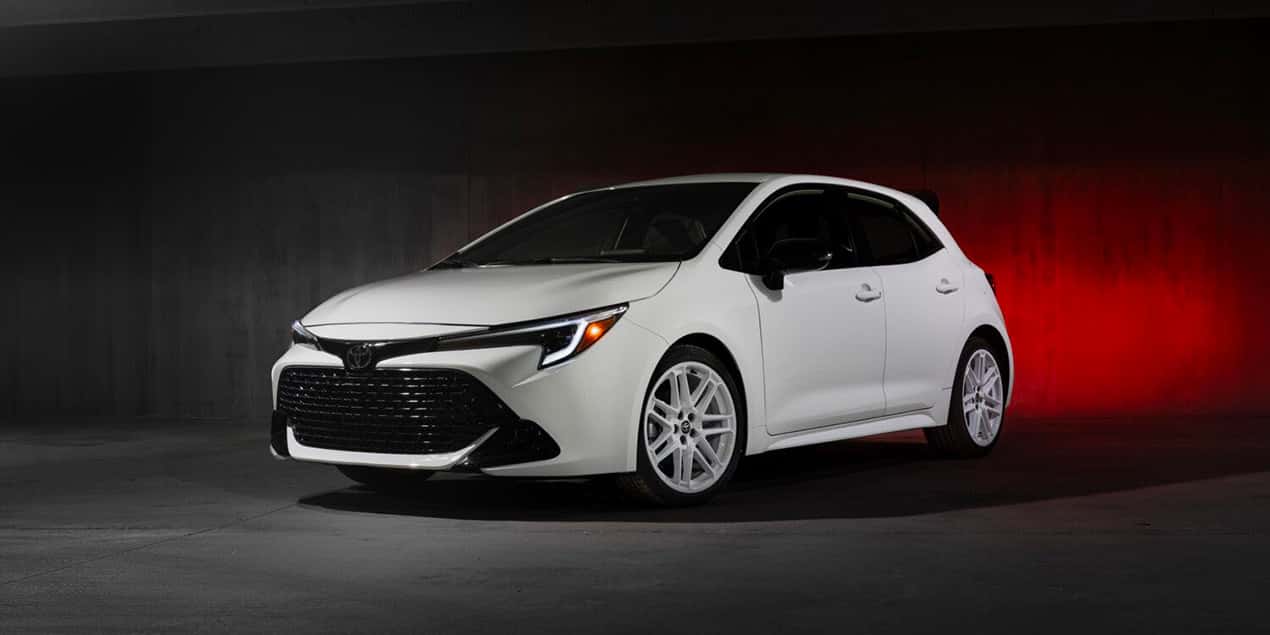
Starting Price: $24,380 MSRP
Key Takeaway: Known for bulletproof reliability, the 2026 Corolla Hatchback adds a dash of style with the new FX Edition, featuring a blacked-out roof and heritage-inspired “white-out” wheels.
Top Features: Up to 41 MPG on the highway, Standard Toyota Safety Sense™ 3.0, and a precision-tuned suspension that makes it surprisingly nimble in city traffic.
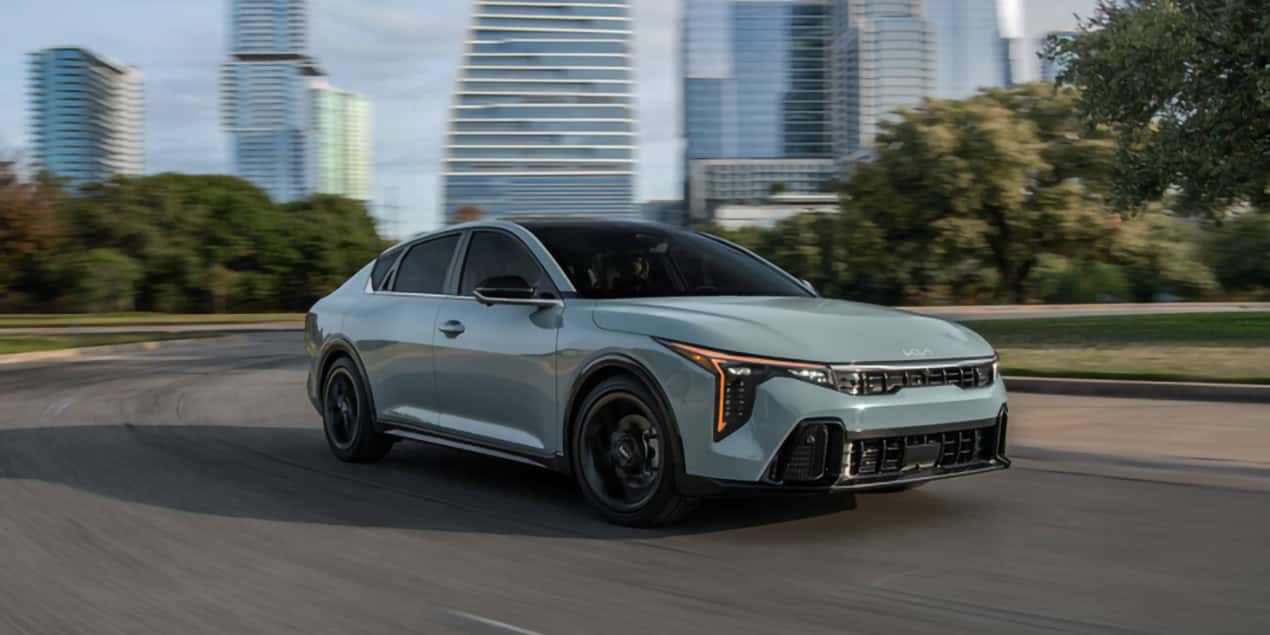
Starting Price: $26,085 MSRP
Key Takeaway: The 2026 K4 Hatchback offers a futuristic “floating roof” design and class-leading rear legroom that rivals many midsize sedans. You may remember the Forte; well this car took its place. The K4 was designed from the ground up to be incredibly modern in every way, and it really shows.
Top Features: Massive 29-inch combined panoramic digital display, available 190-hp turbocharged engine, and an impressive 59.3 cubic feet of total cargo space with seats folded.
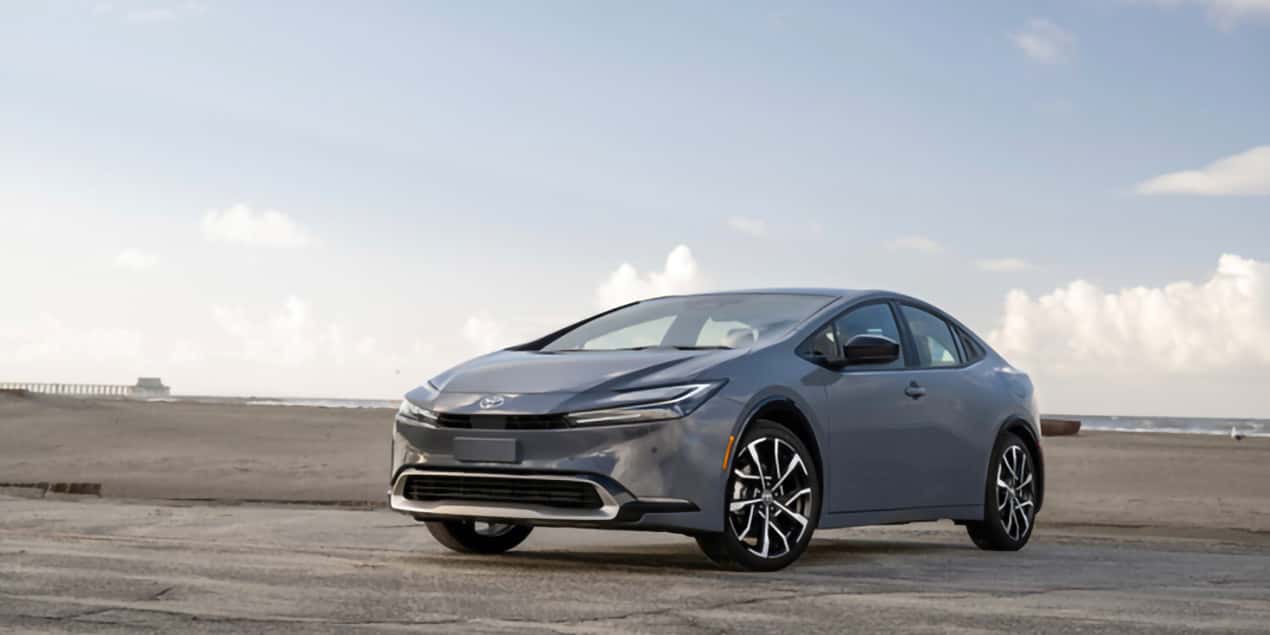
Starting Price: $28,350 MSRP
Key Takeaway: The Toyota Prius remains the benchmark for hybrid efficiency, but its latest generation adds a healthy dose of style and fun-to-drive dynamics to the equation. It offers a compelling value proposition that has gotten better with the new model year.
Top Features: Up to 57 mpg with 194 horsepower powertrain, Toyota Safety Sense™ 3.0 suite, and 23.8 cubic feet of cargo space in the base LE trim (20.3 cubes on other trims).
Liftbacks, such as the Buick Envista, hide their utility under a sleek, sedan-like silhouette. Other hatchbacks offer the most efficient powertrains on the market. This includes the hybrid Lexus UX 300h and the electric Hyundai Ioniq 5.
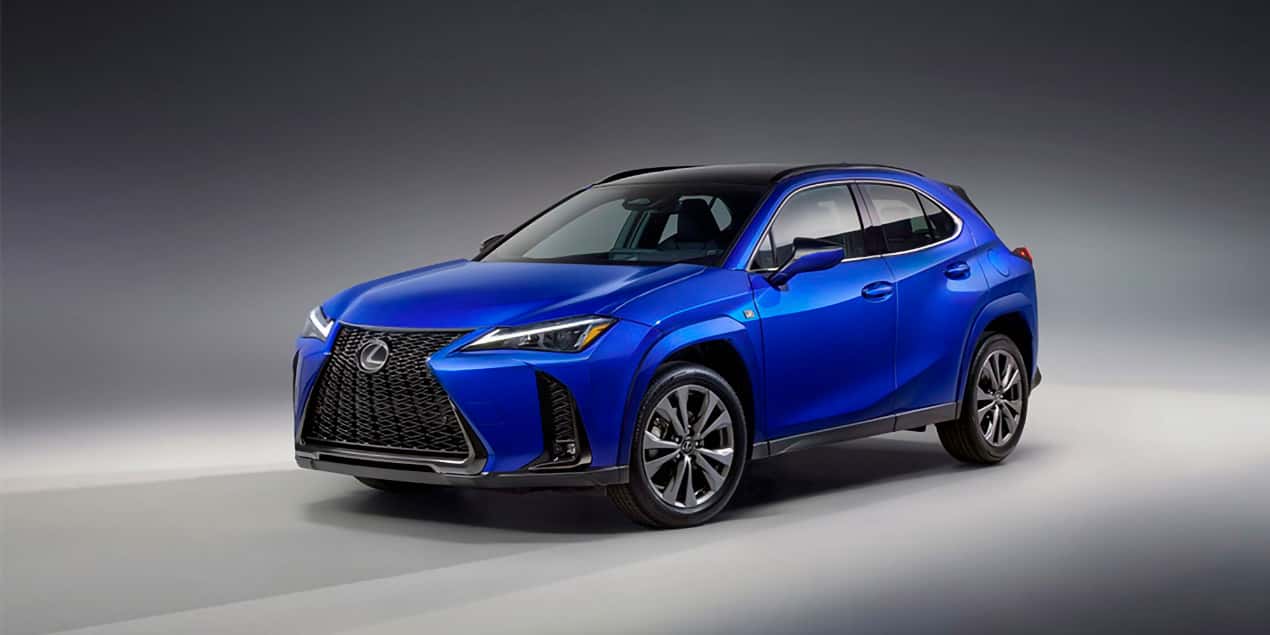
Starting Price: $38,250
Key Takeaway: Lexus calls this a “Luxury Hybrid Hatchback.” It’s the perfect entry point into luxury, offering a standard 196-hp hybrid system and a whisper-quiet cabin.
Top Features: Standard All-Wheel Drive (AWD), a high-definition 12.3-inch touchscreen, and the premium craftsmanship expected from the Lexus brand.
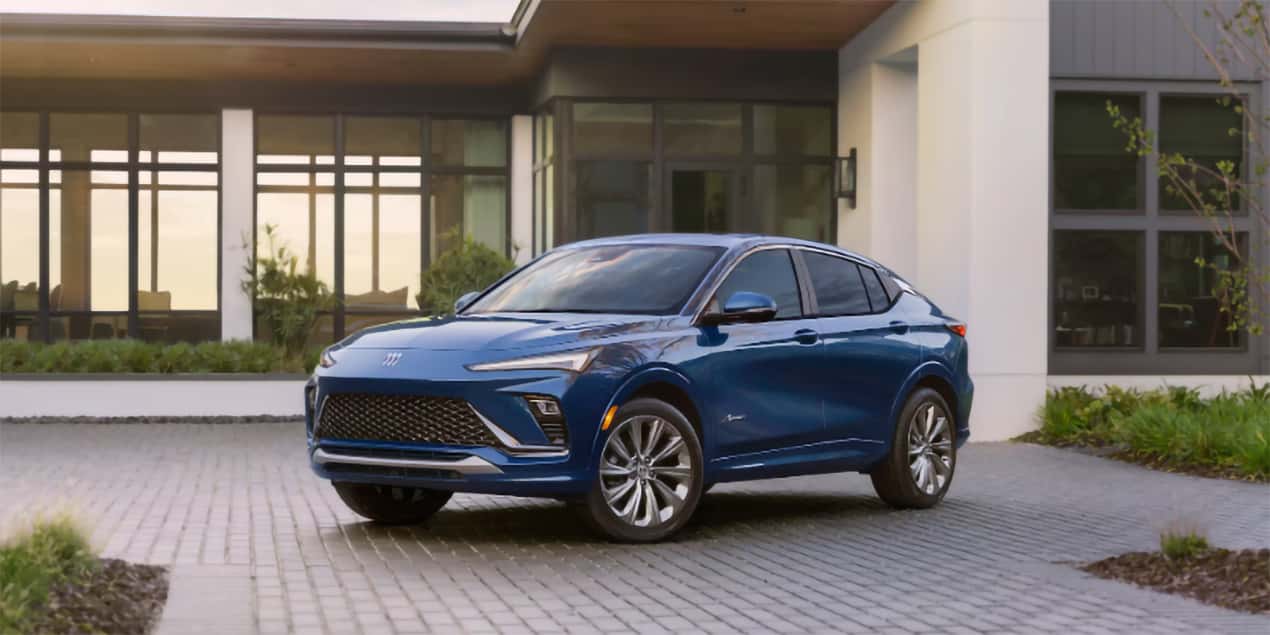
Starting Price: $25,995 MSRP
Key Takeaway: The Envista is a “crossover-hatch” blend that looks like a high-end European exotic but carries a very approachable price tag.
Top Features: Buick’s “QuietTuning” technology for an ultra-silent ride, flat-bottom steering wheel, and a striking “shark-nose” exterior design.
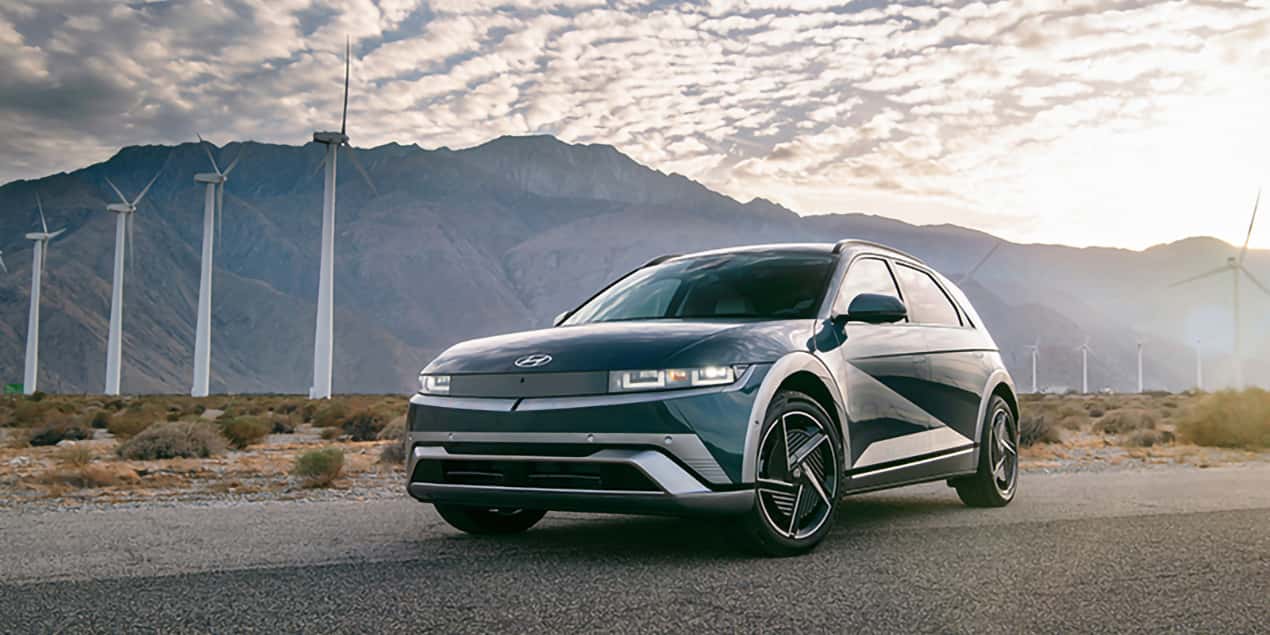
Starting Price: $35,000
Key Takeaway: While technically an SUV, the IONIQ 5’s “retro-hatch” styling and flat interior floor make it a masterclass in packaging. It features 800V ultra-fast charging that can go from 10% to 80% in just 18 minutes.
Top Features: Augmented Reality Head-Up Display, V2L (Vehicle-to-Load) power outlets to run appliances, and an estimated range of up to 318 miles.
This category is for the enthusiasts. These vehicles take the practical hatchback frame and pack it with track-ready engines, advanced suspensions, and aggressive styling. Prices go up, but you get a lot of fun for the money.
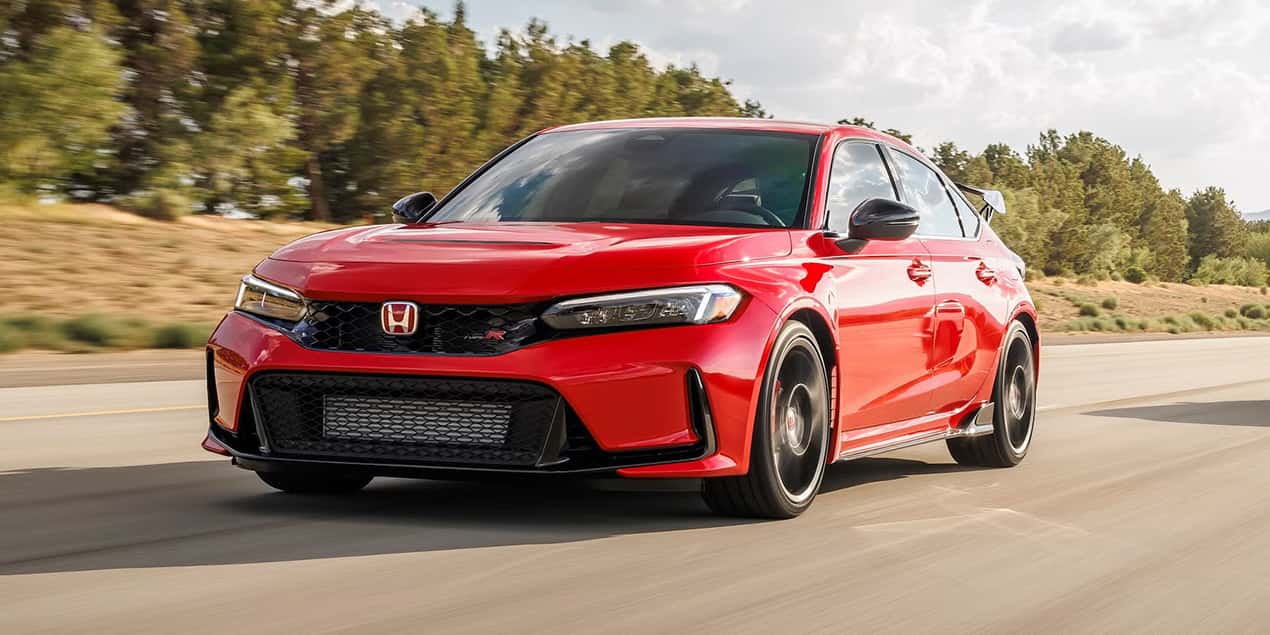
Starting Price: $48,090
Key Takeaway: Widely regarded as the king of front-wheel-drive performance, the Type R is a precision instrument. It’s famous for its “mechanical” feel, featuring one of the best manual shifters ever made and a chassis that feels glued to the road. It’s ranked #1 at US News.
Top Features: 315-hp 2.0L Turbocharged VTEC® engine, high-bolstered red suede sport seats, and the Honda LogR® Datalogger which allows you to monitor your track performance in real-time.
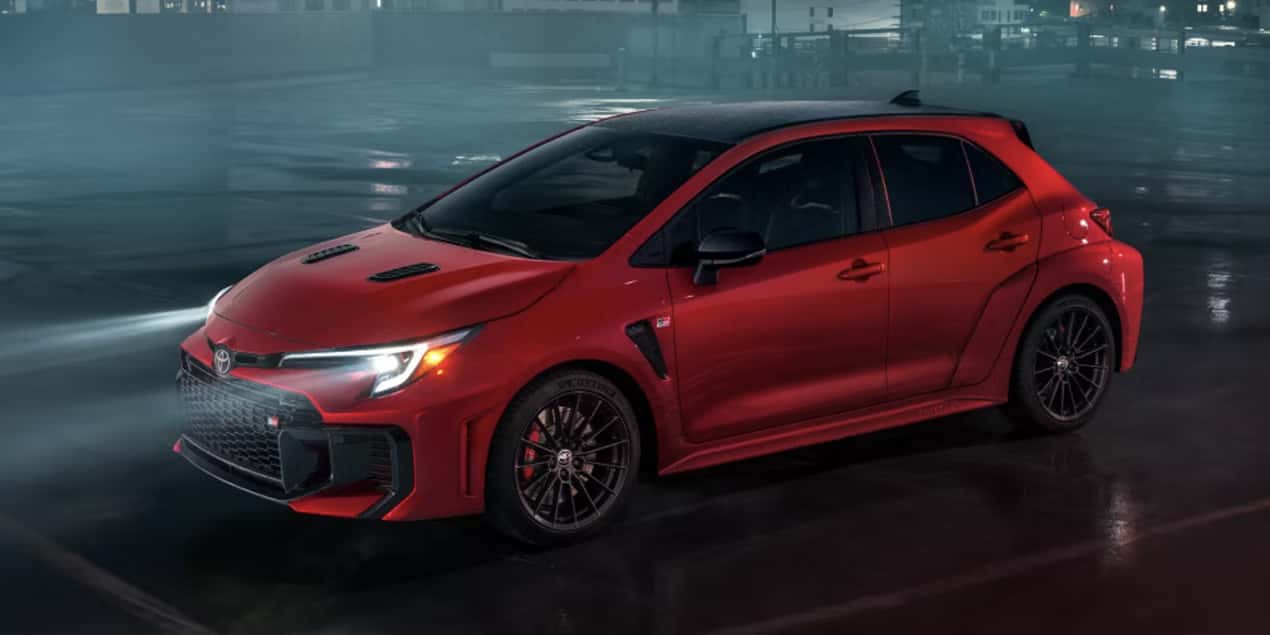
Starting Price: $39,920
Key Takeaway: Inspired by rally racing, the GR Corolla is a wild, AWD beast. Unlike the Type R, the GR Corolla is now available with either a 6-speed manual or a lightning-fast 8-speed Direct Automatic Transmission, making its 300 horsepower accessible to even more drivers.
Top Features: GR-FOUR All-Wheel Drive with customizable torque split (60:40, 50:50, or 30:70), triple-outlet exhaust system, and a 12.3-inch digital gauge cluster with a dedicated “GR Meter” for turbo pressure and gear position.
Whether you visit one of our physical showrooms or shop 100% online via No Bull Express, the staff at Earnhardt Auto Centers is here to help. With 15 brands, 17 dealerships, and the best inventory in the Phoenix area, we’ll find the right car for your lifestyle.
To test drive your favorite, head to the appropriate Earnhardt new car dealership in Phoenix metro. Contact us with your questions about any brand or model in our large inventory.
A sedan typically offers a quieter cabin because the trunk is a separate, sealed-off compartment, which helps dampen road noise. However, a hatchback provides far more versatility; while a sedan’s trunk has a fixed opening, a hatchback’s liftgate allows you to load bulky items like small furniture, bikes, or large boxes that simply won’t fit through a standard trunk lid. Cars, such as the Kia K4, Honda Civic, and Toyota Corolla, are often less expensive as entry level sedans than as entry level hatchbacks.
Generally, yes. Hatchbacks sit lower to the ground and are more aerodynamic than crossovers (like a Toyota RAV4 or Honda CR-V). For example, the 2026 Honda Civic Hatchback Hybrid targets an impressive 50 MPG, while even the most efficient non-plug-in SUVs often struggle to cross the 40 MPG mark. Choosing a hatchback can save you hundreds of dollars in fuel costs annually.
Historically, sedans held the edge, but that has shifted. In 2026, hatchbacks like the Toyota Corolla and Honda Civic are in high demand on the used market because of their perceived “all-in-one” utility. They often retain a higher percentage of their original value because they appeal to a wider range of buyers, from city commuters to small families.
Actually, it’s usually easier. Many hatchbacks, such as the Kia K4 or Toyota Corolla, have a “vertical” rear end, meaning the car ends almost exactly where the rear window does. This makes it much simpler to judge distances when parallel parking compared to a sedan, where the trunk often extends several feet past your field of vision.
For families of three or four, a hatchback is often a smarter choice than a bulky SUV. Modern entries like the Kia K4 Hatchback offer rear legroom that rivals mid-size cars, and the ability to fold the rear seats flat provides “SUV-like” cargo space for weekend trips or sporting gear without the high monthly fuel bill of a larger vehicle.
Surprisingly, yes. Despite their track-day credentials, both vehicles retain the same basic footprint and cargo flexibility as their standard counterparts. You can fit a week’s worth of groceries or a set of golf clubs in the back, then take it to the track on the weekend. Just be prepared for a slightly firmer ride and higher fuel costs (they require Premium fuel).
The hatchback shape is ideal for electric vehicles because it allows for a “skateboard” battery layout under the floor without sacrificing vertical passenger space. The flat floor of the IONIQ 5, for example, creates a lounge-like interior that feels much larger than a traditional gas-powered car of the same size.

