

1. Ultimate Driver Engagement
Nothing connects you to the driving experience like a car with a manual transmission. Every shift requires thought, timing, and skill. You’re not just operating the car—you’re partnering with it.
There’s something magical about rowing through the gears yourself. The satisfying snick of a perfectly executed shift, the direct connection between you and the machine, the pure engagement that makes even a grocery run feel like an adventure. With a manual, you’re constantly making decisions: When to upshift for efficiency? When to hold a gear for that mountain pass? Should you skip a gear or go sequential?
This level of involvement transforms mundane commutes into engaging drives. You’re reading the road, anticipating traffic, and actively participating in every acceleration and deceleration. Automatic transmissions do the thinking for you. Manual transmissions let you think with the car.
Check out this list of the Best Manual Transmission Cars.
2. Lower Maintenance Costs
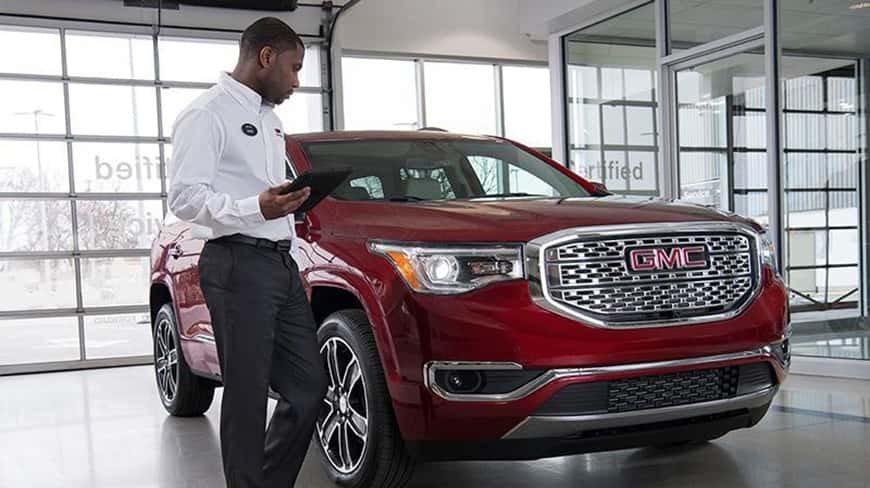
Your wallet will thank you. Manual transmissions typically cost significantly less to maintain and repair than their automatic counterparts. There are no complex torque converters, valve bodies, or intricate hydraulic systems to worry about. The mechanics are simpler, more robust, and easier to fix when something does go wrong.
Clutch replacements are the main maintenance item, and while they’re not cheap (typically $500-$1,500 depending on the vehicle), they’re still less expensive than rebuilding or replacing an automatic transmission, which can easily run $3,000-$5,000 or more. Plus, if you drive smoothly and don’t ride the clutch, a manual transmission can last well over 100,000 miles before needing major service.
Fluid changes are simpler and less frequent too. Many manual transmissions can go 60,000-100,000 miles between fluid changes, compared to the 30,000-60,000 mile intervals common with automatics.
3. Better Control Over Your Vehicle
Whether engine braking down a mountain pass, launching hard from a stoplight, or navigating slippery winter conditions, a manual transmission gives you direct, immediate control over power delivery.
Want to slow down without touching your brakes on a steep descent? Downshift and let engine braking do the work, saving your brake pads and reducing fade. Need maximum acceleration? You control exactly when to shift for peak power. Stuck in snow or mud? You can start in second gear to reduce wheel spin and maintain traction.
Off-road enthusiasts especially appreciate this control. Crawling over rocks or navigating technical terrain becomes easier when you can precisely manage power delivery through clutch modulation and gear selection. If you want an off-roader with a third pedal, you’ll want to look at the Ford Bronco, Toyota Tacoma or Jeep Wrangler.
Racing drivers have known this for decades: a skilled driver with a manual transmission can often outperform an automatic (or less-skilled driver) because they’re making split-second decisions tailored to the exact situation.
4. Built-In Theft Deterrent

Here’s an unexpected benefit: manual transmissions are increasingly effective anti-theft devices. According to recent statistics, fewer than 20% of Americans know how to drive a stick shift, and that number drops even lower among younger demographics.
Car thieves typically want quick, easy targets. When confronted with three pedals and a gear shifter, many would-be thieves simply move on to an easier mark. There have been multiple news stories of attempted car thefts foiled simply because the thief couldn’t figure out how to operate the manual transmission.
While you shouldn’t rely on this as your only security measure, it’s a nice bonus layer of protection that doesn’t cost you anything extra. Your car is inherently less attractive to opportunistic thieves who lack the skills to drive it away.
5. Pure, Unfiltered Driving Pleasure
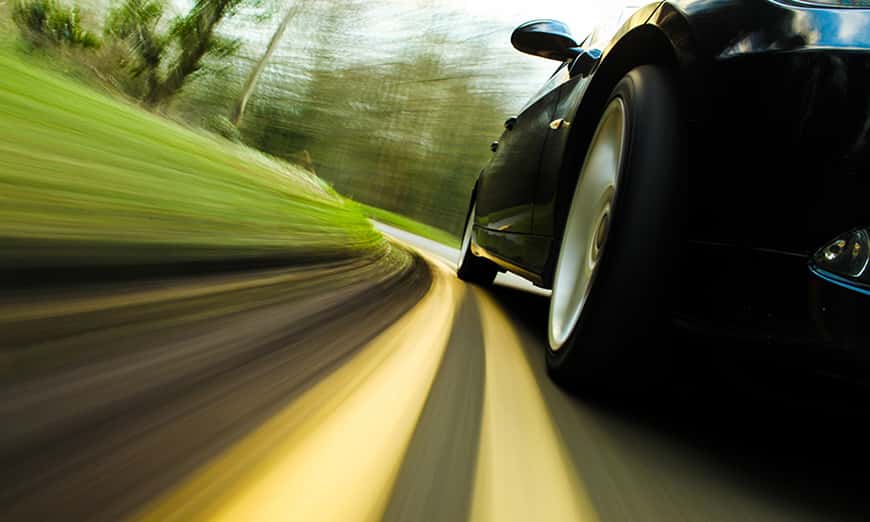
There’s an art to driving a manual transmission well. Heel-toe downshifting into a corner, perfectly rev-matching your shifts, threading through traffic with smooth gear changes—these skills take practice, patience, and precision.
It’s automotive meditation. When you nail a perfect downshift entering a canyon corner, when you execute a seamless launch without any jerkiness, when you smoothly work through the gears without your passenger even noticing the shifts—that’s mastery. That’s the difference between being a passenger in your own car and being a true driver.
Vehicles with manual transmissions turn every drive into an opportunity to practice and improve your craft. Unlike automatics that make driving more passive, manuals keep you engaged, alert, and constantly honing your skills. Even after years of driving stick, there’s always room to get smoother, faster, or more efficient.
6. Earned Bragging Rights

Let’s be real: driving a stick shift is difficult to learn and even more challenging to master. For driving enthusiasts, there’s nothing like mastering manual shifting to prove you’re truly worthy of commanding the steering wheel.
In an era where most drivers are too hesitant—or too lazy—to shift for themselves, being able to drive a manual transmission sets you apart. It shows dedication to the craft of driving. It demonstrates that you care about more than just getting from point A to point B.
You’re the one who can confidently rent that amazing sports car in Europe where manuals are still common. You’re part of an increasingly exclusive club of drivers who refused to let convenience completely override engagement.
And yes, there’s absolutely satisfaction in watching someone struggle with your car’s clutch while you make it look effortless.
7. Better Fuel Economy (Sometimes)
While modern automatics have narrowed the gap significantly—and some now beat manuals in fuel economy—a skilled driver with a manual transmission can achieve good gas mileage.
Why? Because you control exactly when to shift. You can short-shift to keep RPMs low during relaxed cruising. You can skip gears when appropriate. You can coast in neutral (when safe) or use engine braking instead of riding the brakes in traffic.
Automatics are programmed for average drivers in average conditions. A manual transmission adapts to your driving style and the specific conditions you’re facing. If you’re focused on efficiency, you can often beat an automatic’s fuel economy. If you want performance, you can wring every ounce of power from the engine. The choice is yours.
The Bottom Line
Choosing a manual transmission in 2025 isn’t about being practical or sensible—most automatics are objectively better at shifting quickly and efficiently. It’s about prioritizing the human element of driving. It’s about refusing to let computers and algorithms completely take over something that used to require skill, attention, and practice.
In a world increasingly dominated by autonomous driving features and disconnected driving experiences, the manual transmission remains one of the last true connections between driver and machine. That’s worth celebrating—and worth saving.
The bottom line? If you’ve been thinking about buying a car with a manual transmission, don’t wait. Each year brings fewer options as automakers prioritize efficiency, emissions, and faster shifting automatics. Contact us with your questions about available manual transmission cars.